Password Hygiene and Access Management: Best Practices for SMEs
For small and medium-sized businesses (SMEs) across the UK, protecting digital assets is no longer a luxury – it’s a necessity. With cyber threats such as phishing, ransomware, and brute-force attacks on the rise, maintaining strong password security and managing access rights has become vital to safeguarding business data.
At IT Support UK, we help businesses in London, Kent, and across the UK stay protected with robust cybersecurity solutions tailored to their size, structure, and sector. In this article, we outline password hygiene and access management best practices every SME should follow.
Why Password Hygiene Matters
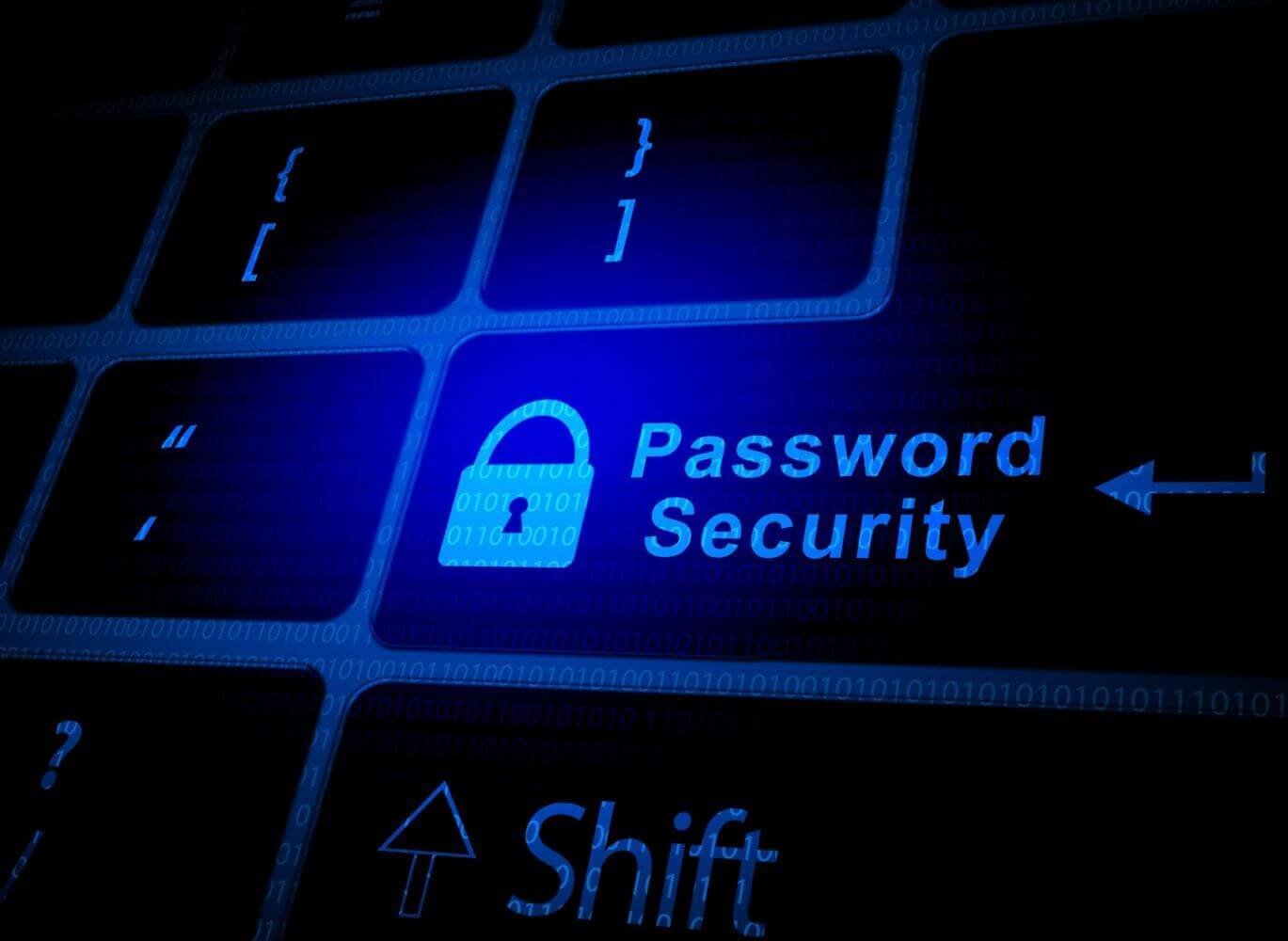
Poor password practices remain one of the most common causes of data breaches. A single compromised password can give attackers access to sensitive client data, financial records, and internal systems – often without detection.
Many SMEs assume they’re too small to be targeted, but the opposite is often true. Cybercriminals frequently focus on smaller businesses precisely because they expect weaker security protocols. That’s why strong password hygiene is essential.
Best Practices for Password Hygiene
- Use Strong, Unique Passwords
Each account or service should have its own strong password, ideally made up of a mix of uppercase and lowercase letters, numbers, and symbols. Avoid using dictionary words or personal information like birthdays. - Implement a Password Manager
Password managers securely store and generate complex passwords, eliminating the need to remember each one. These tools also help avoid password reuse, which can leave multiple systems vulnerable. - Enforce Regular Password Updates
While frequent password changes can be counterproductive if users resort to weak alternatives, it’s still important to rotate passwords every few months – especially after a suspected breach. - Enable Multi-Factor Authentication (MFA)
MFA adds an extra layer of security by requiring users to confirm their identity via a second method (e.g. mobile app, SMS code, biometric scan). This significantly reduces the risk of unauthorised access.
Access Management: Controlling Who Has Access to What
Password security is just one part of the puzzle. SMEs also need to control who can access specific files, systems, and tools. Poor access management can lead to accidental data exposure or insider threats.
- Use Role-Based Access Control (RBAC)
Assign access based on an employee’s job role. For example, marketing teams don’t need access to HR files or finance systems. This reduces risk and improves internal organisation. - Audit Access Regularly
Review user permissions regularly, especially when employees change roles or leave the company. Remove or adjust access as needed to maintain security. - Monitor for Unusual Activity
Use IT monitoring tools to track failed login attempts, access from unknown locations, or unexpected file changes – early signs of a potential breach.
Strengthen Your Cybersecurity with Expert Support
At IT Support UK, we offer cybersecurity and IT support for small businesses that includes password management solutions, access control implementation, and user training. Whether you’re operating locally in Kent or remotely across the UK, our team is here to help keep your systems secure.
Contact us today to arrange a free consultation and learn how we can strengthen your password hygiene and access controls to protect your business from cyber threats.